

At Surrey Hills Conservation, we see hedgerows as far more than simple boundaries. They are an essential part of Surrey’s landscape, providing shelter for wildlife, protecting soil and water, and shaping the character of the countryside.
Our hedgerow restoration work focuses on bringing neglected, damaged, or fragmented hedges back into good health, using practical, traditional methods that allow them to thrive long into the future.
Visit us today to find out how we can help you with your woodland management.
David and the team will be happy to discuss your current project and how we can help you sustain your woodland.
Surrey Hills Conservation
Mad Horse Copse Farm
Logmore Lane,
Westcott
RH4 3GB
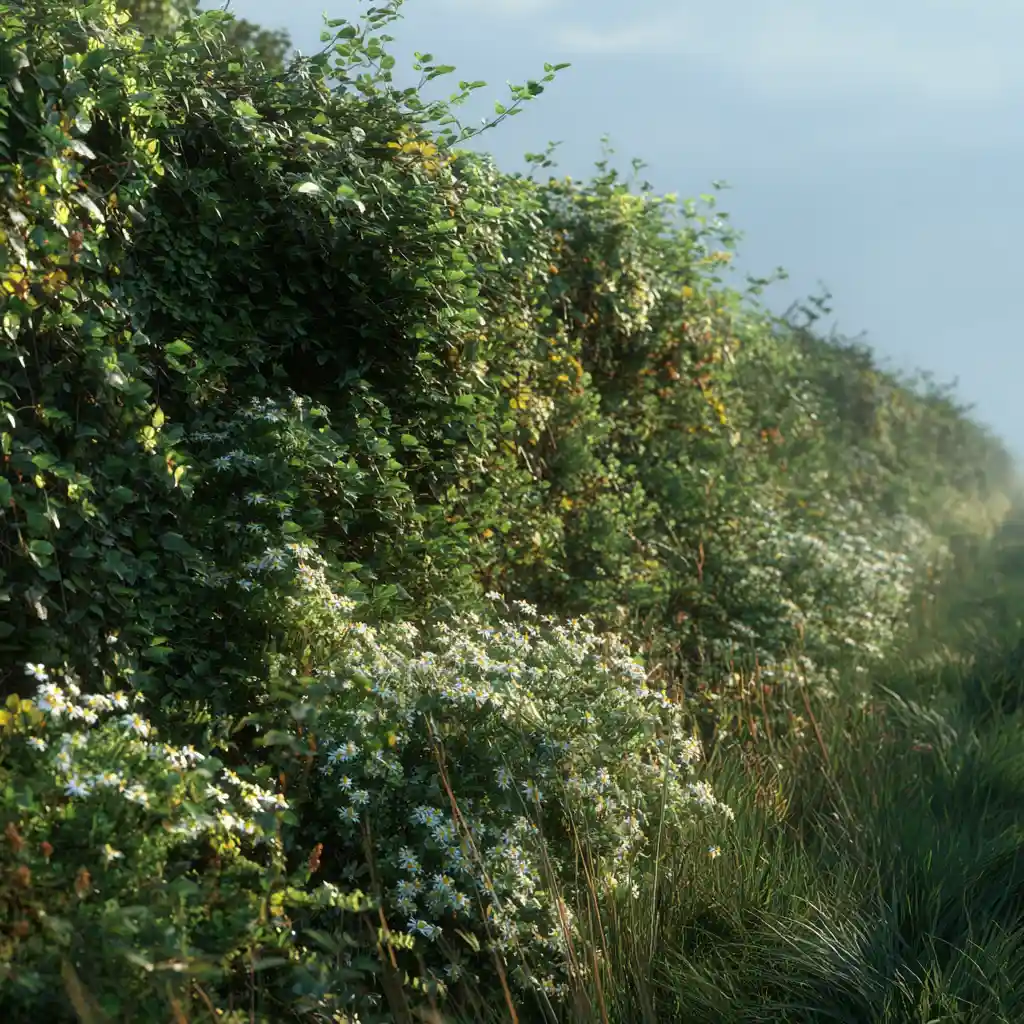
Hedgerows play a crucial role in Surrey’s countryside and are one of the most valuable natural features we have. When managed properly, they act as vital wildlife corridors, allowing birds, small mammals, insects, and pollinators to move safely between habitats. These connected routes are essential for feeding, nesting, and breeding, particularly in landscapes that are increasingly fragmented by roads, development, and intensive land use.
A healthy hedgerow also supports a rich level of biodiversity. Native hedges can contain a wide variety of plant species, which in turn support insects, birds, and mammals throughout the year. This diversity creates a balanced ecosystem that is more resilient to disease, pests, and environmental change.
From an environmental perspective, hedgerows help the land cope with a changing climate. They absorb carbon, provide shade, and help regulate local temperatures, particularly in exposed rural areas. Their roots stabilise soil, reducing erosion caused by wind and heavy rainfall, while also improving soil structure and health over time.
Hedgerows also play an important role in water management. By slowing surface runoff, they help reduce flooding and filter pollutants before water reaches nearby streams and rivers. This natural filtration supports cleaner waterways and healthier aquatic ecosystems.
Beyond their environmental value, many hedgerows in Surrey are historically significant. Some follow boundaries laid down centuries ago and form an important part of the county’s cultural landscape. Preserving and restoring them helps maintain the character and heritage of the countryside.
In short, a healthy hedgerow supports far more than just the plants within; it supports the land, wildlife, and wider environment around it.



Despite their importance, many hedgerows across Surrey continue to decline due to a combination of neglect and inappropriate management. Long periods without proper care can lead to hedges becoming thin, gappy, or dominated by weak growth, reducing their value for wildlife and stock control.
Frequent cutting, or cutting at the wrong time of year, is another common issue. This can prevent hedges from flowering and fruiting, removing vital food sources for birds and insects, and can also disturb nesting wildlife. Over time, this type of management weakens the structure of the hedge and shortens its lifespan.
Hedgerows are also lost through development or changes in land use, where boundaries are removed or damaged to make way for buildings, access routes, or larger fields. Once removed, these features can take decades to replace effectively.
Pests and diseases present an increasing challenge, with new threats affecting the health of hedgerow plants and reducing resilience if species diversity is low. Addressing these issues early, through restoration and appropriate management, helps prevent long-term damage and avoids the need for costly replacement in the future.