
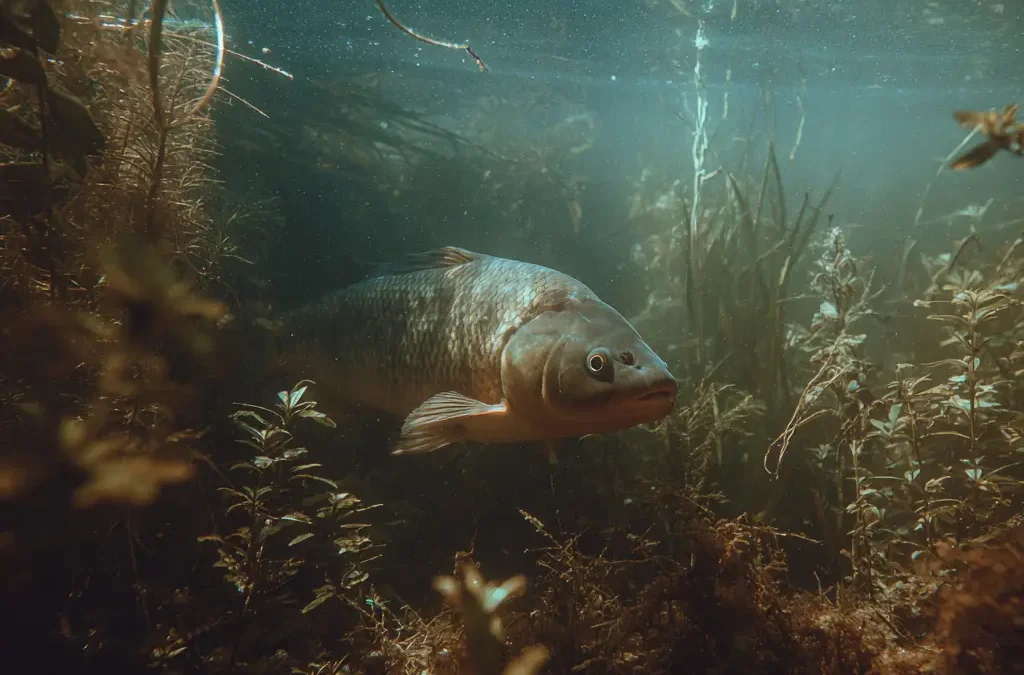
Creating a wildlife pond is one of the most effective ways to increase biodiversity in a Surrey garden. A well-designed pond can attract frogs, newts, dragonflies, pond skaters and a wide range of beneficial insects, while also supporting native aquatic plants and natural water balance.
A common question comes up early in the planning stage: can you keep fish in a wildlife pond? The short answer is yes,
you can, but it is important to understand the trade-off. Fish change how a pond behaves. In smaller garden ponds especially, they can reduce the variety of wildlife the pond is able to support.
Why Fish Can Be a Problem in Wildlife Ponds
Wildlife ponds work best when they support lots of small creatures. Amphibians and aquatic insects rely on calm water, dense planting, and plenty of safe hiding places. Fish can upset that balance in a few key ways.
Fish eat the wildlife you are trying to attract
Even small fish will feed on tadpoles and aquatic insect larvae. That includes the larvae of dragonflies and damselflies, as well as
many of the tiny pond creatures that help keep a pond healthy. If your goal is to see more frogs, newts and dragonflies breeding
successfully, adding fish often reduces those populations.
In Surrey, garden ponds are especially valuable because they act as stepping stones for amphibians moving through the landscape. A pond without fish is far more likely to provide a safe breeding space for frogs and newts.
Fish can increase algae and reduce water clarity
Fish produce waste, and waste increases nutrient levels in the water. In a small garden pond, those nutrients can build up quickly.
Higher nutrients often lead to algae growth and murkier water. This is the opposite of what most wildlife ponds need, because many native pond plants and aquatic insects prefer clearer, well-oxygenated conditions.
Some fish disturb plants and sediment
Certain species, particularly ornamental fish like goldfish and koi, can churn up sediment and damage aquatic plants. Plants are not just decorative. They provide oxygen, shelter, egg-laying areas and natural filtration. When planting is disrupted, the pond becomes less stable and less wildlife-friendly.
Can Fish Be Included in a Wildlife Pond?
Yes, you can keep fish in a wildlife pond. But it is important to understand that doing so changes how the pond behaves.
Fish are wildlife too, and they naturally live in many lakes and rivers. The difference is that most garden ponds are small. In a small pond, fish have a much bigger impact than they would in a larger natural waterbody.
Even small fish will eat tadpoles and aquatic insects. That means fewer frogs, fewer newts and fewer dragonflies. If your main aim is to attract and support these species, fish can reduce how successful your pond becomes.
Fish also produce waste. In a small pond, this can quickly increase nutrient levels, which encourages algae and makes the water murkier. Wildlife ponds usually rely on plants and natural balance to keep the water clear. Adding fish often means the system needs more intervention to stay stable.
So the answer is not a simple yes or no. You can have fish, but once fish are added, the pond becomes more fish-focused and less wildlife-focused. If your priority is biodiversity, especially amphibians, a fish-free pond will usually support more species and create a healthier natural balance.
If You Do Want Fish, What Is the Least Disruptive Approach?
If you are set on keeping fish, keep expectations realistic. A pond with fish can still support some wildlife, but it is unlikely to deliver the same level of amphibian breeding and insect diversity as a fish-free wildlife pond.
In general, avoid ornamental species such as goldfish and koi. They produce more waste, grow larger, and are far more disruptive to planting and sediment. If fish are included at all, it should only be at very low density, and ideally in a larger,
well-established pond with strong planting and good natural cover.
How to Build a Pond That Supports Wildlife
The most successful wildlife ponds are designed around habitat structure rather than decoration. A pond does not need chemicals or heavy filtration to thrive. It needs the right shape, the right planting, and a stable natural balance.
Key features include gently sloping shallow margins, a range of depths, and abundant native aquatic plants. Marginal plants create shelter at the edge, oxygenators support water quality, and floating leaves provide shade that helps keep algae under control. Logs, stones and surrounding vegetation also create places for wildlife to hide, warm up and move safely between the pond and the wider garden.
A balanced pond ecosystem also tends to manage mosquito larvae naturally through amphibians and aquatic insect predators, without the need for fish.
Wildlife First, Fish Second
The idea of adding fish is understandable. But if your goal is a true wildlife pond in Surrey, fish-free is usually the best route. Without fish, a pond is far more likely to support breeding frogs and newts, healthy dragonfly populations, and a richer range of aquatic life.
At Surrey Hills Conservation, we design, restore and maintain wildlife ponds using natural, chemical-free methods that support biodiversity and long-term ecological stability. If you are planning a new pond or want to improve an existing one, we can help you create a pond that works with nature and delivers lasting wildlife value.
Need advice on your pond? Simply email Surrey Hills Conservation about wildlife pond design, native planting and natural pond maintenance in Surrey.