

Rural estate management is one of the most complex and rewarding aspects of countryside stewardship, combining traditional land management practices with modern conservation science to create sustainable, productive, and biodiverse landscapes.
As landowners across the United Kingdom face increasing pressure to balance agricultural productivity with environmental responsibility, understanding the principles and practices of effective rural estate management has never been more critical.
At its core, rural estate management is the strategic planning, implementation, and ongoing stewardship of rural properties to achieve multiple objectives simultaneously. These objectives typically include maintaining or enhancing biodiversity, supporting sustainable agricultural practices, providing recreational opportunities, preserving cultural heritage, and generating economic returns for landowners. The discipline requires a deep understanding of ecology, agriculture, forestry, hydrology, and landscape design, as well as the ability to navigate complex regulatory frameworks and funding opportunities.
The Evolution of Rural Estate Management
The practice of rural estate management has evolved significantly over the past century, reflecting changing societal values, scientific understanding, and environmental challenges. Historically, rural estates were managed primarily for agricultural production, game management, and timber harvesting, with little consideration for broader ecological impacts. The intensive agricultural practices of the mid-20th century, while successful in increasing food production, led to significant biodiversity loss, soil degradation, and water quality issues across much of the British countryside.
The recognition of these environmental costs, combined with growing public awareness of conservation issues, has fundamentally transformed the approach to managing rural estates. Modern practitioners must now consider the ecological value of different habitats, the connectivity of landscape features, the impact of management practices on water quality and carbon sequestration, and the role of rural estates in supporting declining species populations.
This evolution has been supported by significant advances in ecological science, which have provided land managers with a much better understanding of how different habitats function, how species interact with their environment, and how management interventions can be designed to achieve specific conservation outcomes. The development of Geographic Information Systems (GIS) and remote sensing technologies has also revolutionized the way rural estates are planned and monitored, allowing managers to analyze landscape patterns, track changes over time, and optimize management strategies based on detailed spatial data.
Core Principles of Effective Rural Estate Management
Successful rural estate management is built upon several fundamental principles that guide decision-making and ensure long-term sustainability. The first and perhaps most important principle is the adoption of a landscape-scale perspective. Rather than managing individual fields or habitats in isolation, effective estate management considers the entire property as an interconnected system, where changes in one area can have cascading effects throughout the landscape.
This landscape-scale approach requires careful consideration of habitat connectivity, ensuring that wildlife populations can move freely between different areas of suitable habitat. This might involve creating wildlife corridors through the strategic placement of hedgerows, woodland strips, or wetland areas, or managing the timing of agricultural operations to minimize disturbance during critical periods such as breeding seasons.
The second core principle is adaptive management, which recognizes that rural landscapes are dynamic systems that respond to both natural processes and human interventions in complex and sometimes unpredictable ways. Adaptive management involves setting clear objectives, implementing management strategies based on the best available science, monitoring outcomes, and adjusting approaches based on what is learned. This iterative process allows estate managers to improve their practices and respond effectively to changing conditions continuously.
Integration represents another fundamental principle, acknowledging that rural estates must serve multiple functions simultaneously. Rather than segregating different land uses into separate areas, integrated management seeks to find synergies between conservation, agriculture, forestry, and recreation. For example, extensive grazing systems can simultaneously support livestock production and maintain species-rich grasslands, while carefully managed woodland can provide timber revenue while supporting biodiversity and carbon sequestration.
Habitat Creation and Management Strategies
One of the most visible and impactful aspects of rural estate management is the creation and management of diverse habitats that support native wildlife while contributing to the overall productivity and aesthetic value of the landscape. This work requires detailed knowledge of local ecology, soil conditions, hydrology, and the specific requirements of target species.
Grassland management represents a particularly important component of rural estate management in the United Kingdom, where species-rich grasslands have declined dramatically over the past century. Creating and maintaining wildflower meadows requires careful attention to soil fertility, cutting regimes, and grazing management. Traditional hay meadows, for example, are typically cut once or twice per year after the main flowering period, allowing plants to set seed before removal. The timing of these cuts is critical, as cutting too early can prevent successful reproduction, while cutting too late may allow dominant grasses to suppress wildflower diversity.
Grazing management is equally important, with different livestock species and grazing intensities creating different habitat conditions. Cattle grazing tends to create a more varied sward structure than sheep grazing, with areas of short grass interspersed with taller tussocks and patches of bare ground. This structural diversity supports a wider range of invertebrate species, which in turn support birds, bats, and other wildlife. The timing of grazing is also critical, with many conservation grazing systems involving the removal of livestock during sensitive periods such as ground-nesting bird breeding seasons.
Woodland management presents its own set of challenges and opportunities. Traditional woodland management practices such as coppicing can create a mosaic of different aged stands that support a diverse range of species. Coppicing involves cutting trees back to ground level on a rotational basis, typically every 7-25 years depending on the species and intended use. This practice creates a cycle of open, sunny conditions that support woodland wildflowers and butterflies, followed by gradually increasing canopy cover as the trees regrow.
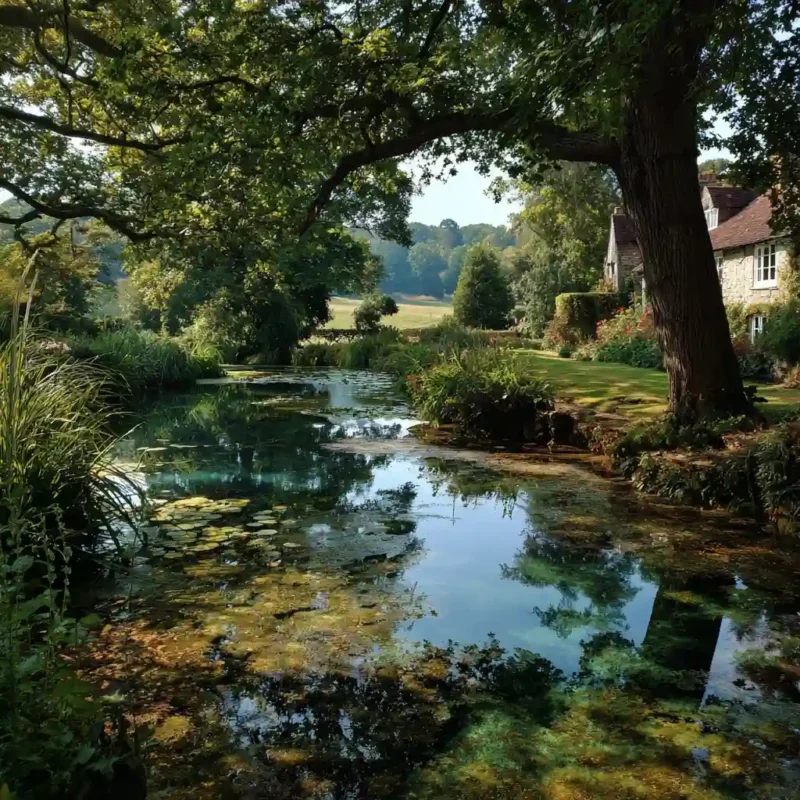
The creation and management of wetland habitats has become increasingly important as climate change increases the frequency and intensity of both droughts and floods. Well-designed wetland systems can help regulate water flow, reduce flood risk, improve water quality, and support a wide range of wildlife species. Pond creation requires careful consideration of site selection, design, and ongoing management to ensure that these features develop into thriving aquatic ecosystems.
Agricultural Integration and Sustainable Farming Practices
Modern rural estate management must successfully integrate conservation objectives with agricultural production, recognizing that farming remains the primary land use across most of the British countryside. This integration requires a sophisticated understanding of how different farming systems affect wildlife and ecosystem services, and how agricultural practices can be modified to enhance rather than degrade environmental quality.
Arable farming systems offer numerous opportunities for conservation enhancement through the strategic placement of field margins, the creation of beetle banks, and the implementation of conservation headlands. Field margins provide crucial habitat for farmland birds, small mammals, and invertebrates, while also helping to reduce soil erosion and nutrient runoff. The width and management of these margins is critical to their effectiveness, with wider margins generally supporting greater biodiversity but also removing more land from production.
Conservation headlands involve reducing or eliminating pesticide applications around the edges of arable fields, creating areas where wild plants and invertebrates can thrive. These areas provide important foraging habitat for farmland birds, particularly during the breeding season when protein-rich invertebrates are essential for chick survival. The implementation of conservation headlands requires careful planning to ensure that pest and disease problems do not spread from these areas into the main crop.
Livestock farming systems can be managed to support conservation objectives through the careful selection of breeds, stocking densities, and grazing patterns. Native and traditional breeds are often better adapted to extensive grazing systems and may be more effective at creating the habitat conditions required by wildlife. For example, Highland cattle and other hardy breeds can graze rough grassland and scrubland that would be unsuitable for more intensive livestock systems, helping to maintain open habitats that would otherwise succeed to woodland.
The integration of trees into agricultural systems, known as agroforestry, represents an increasingly important component of sustainable rural estate management. Silvopastoral systems, which combine trees with livestock grazing, can provide shelter for animals, reduce soil erosion, sequester carbon, and support biodiversity while maintaining agricultural productivity. The design of these systems requires careful consideration of tree species selection, spacing, and management to ensure that they complement rather than compete with agricultural activities.
Water Management and Aquatic Ecosystems
Water management represents one of the most complex and critical aspects of rural estate management, with implications for flood risk, water quality, biodiversity, and agricultural productivity. The management of water resources requires understanding of hydrology, water chemistry, aquatic ecology, and the regulatory framework governing water use and quality.
The creation and management of ponds, streams, and wetlands can provide multiple benefits including flood attenuation, water quality improvement, and habitat creation. However, these features must be carefully designed and positioned to ensure that they function effectively and do not create unintended consequences such as increased flood risk downstream or the spread of invasive species.
Pond design requires consideration of depth profiles, edge gradients, and connectivity to other water bodies. Shallow areas are essential for many aquatic plants and invertebrates, while deeper areas provide refuge during dry periods and winter conditions. Gently sloping edges allow amphibians and other wildlife to access the water easily, while also supporting emergent vegetation that provides important habitat structure.
Stream management involves balancing the need for flood risk reduction with the maintenance of natural river processes and aquatic habitats. Traditional river engineering approaches that involved straightening channels and removing vegetation have been largely replaced by more naturalistic approaches that work with natural processes to achieve flood risk reduction while enhancing biodiversity. These approaches might involve the creation of flood plains, the installation of leaky dams, or the restoration of meanders to slow water flow and create habitat diversity.
Water quality management is increasingly important as agricultural intensification and climate change place greater pressure on aquatic ecosystems. Rural estate managers must understand the sources of pollution, including nutrient runoff from agricultural land, sediment erosion, and chemical contamination, and implement appropriate mitigation measures. These might include the creation of buffer strips along watercourses, the installation of sediment traps, or the modification of agricultural practices to reduce nutrient applications.
Woodland and Forestry Management
Woodland management represents a significant component of rural estate management, with forests and woodlands covering approximately 13% of the United Kingdom’s land area. Effective woodland management must balance multiple objectives including timber production, biodiversity conservation, carbon sequestration, recreation, and landscape enhancement.
The management of existing woodlands requires understanding of forest ecology, silvicultural practices, and market conditions for timber and other forest products. Different tree species require different management approaches, with some species such as oak and beech requiring minimal intervention once established, while others such as conifers may require regular thinning to maintain healthy growth and prevent disease problems.
Thinning operations involve the selective removal of trees to reduce competition and promote the growth of remaining trees. The timing and intensity of thinning operations can significantly affect the development of woodland structure and the species that the woodland supports. Light thinning may be sufficient to maintain canopy health while preserving the closed canopy conditions required by some woodland species, while heavier thinning creates more open conditions that support different plant and animal communities.
The creation of new woodlands offers opportunities to enhance landscape connectivity, provide new habitats, and contribute to carbon sequestration goals. However, woodland creation must be carefully planned to ensure that it does not result in the loss of other valuable habitats such as species-rich grasslands or wetlands. Site selection should consider soil conditions, climate, existing vegetation, and landscape context to ensure that new woodlands will be established successfully and contribute to broader conservation objectives.
Native tree species are generally preferred for new woodland creation, as they support a much wider range of native wildlife than non-native species. However, climate change is creating new challenges for woodland establishment, with traditional native species potentially struggling to cope with changing temperature and rainfall patterns. This has led to increased interest in the use of climate-adapted species and provenances that may be better suited to future conditions.
Technology and Innovation in Rural Estate Management
The application of modern technology is revolutionising rural estate management, providing land managers with new tools for planning, monitoring, and optimising their management strategies. Geographic Information Systems (GIS) allow managers to analyse spatial patterns, model different management scenarios, and track changes over time with unprecedented precision.
Remote sensing technologies, including satellite imagery and drone surveys, enable regular monitoring of large areas at a relatively low cost. These technologies can be used to assess vegetation health, monitor water quality, track wildlife populations, and detect changes in land use or habitat conditions. The increasing availability of high-resolution imagery and the development of automated analysis techniques are making these tools accessible to a wider range of land managers.
Precision agriculture technologies are enabling the more targeted and efficient use of inputs, such as fertilisers and pesticides, thereby reducing environmental impacts while maintaining or improving productivity. GPS-guided machinery can apply inputs with centimetre-level accuracy, while variable rate application systems can adjust input rates based on soil conditions, crop requirements, or environmental constraints.
Sensor networks and Internet of Things (IoT) technologies are enabling real-time monitoring of environmental conditions, soil moisture, water quality, and wildlife activity. This information can be used to optimise irrigation schedules, detect pollution incidents, or monitor the effectiveness of conservation interventions. The integration of these monitoring systems with automated management systems offers the potential for more responsive and adaptive management approaches.
Economic Considerations and Funding Opportunities
The economic sustainability of rural estate management is crucial for its long-term success, requiring land managers to balance conservation objectives with financial viability. Understanding the various funding mechanisms available for conservation work, as well as the potential for generating revenue from sustainable land use practices, is essential for effective estate management.
Agri-environment schemes represent the primary source of public funding for conservation work on agricultural land in the United Kingdom. These schemes provide payments to farmers and land managers who adopt management practices that benefit the environment, such as creating wildlife habitats, reducing pesticide use, or implementing soil conservation measures. The design and implementation of these schemes has evolved significantly over time, with recent schemes placing greater emphasis on results-based payments and landscape-scale coordination.
The Countryside Stewardship scheme, which replaced previous agri-environment schemes in England, offers a range of options for habitat creation and management, with payment rates designed to compensate for income foregone and additional costs incurred. Higher-tier agreements can provide funding for more complex management interventions and capital works such as pond creation or woodland establishment.
Carbon markets represent an emerging opportunity for rural estate managers to generate revenue from carbon sequestration activities. Woodland creation, peatland restoration, and soil carbon enhancement can all contribute to carbon sequestration, with the potential to generate carbon credits that can be sold to organisations seeking to offset their emissions. However, the carbon market is still developing, and the long-term viability of carbon payments remains uncertain.
Diversification activities can provide additional revenue streams while supporting conservation objectives. These might include eco-tourism, educational visits, renewable energy generation, or the production of speciality products such as traditional crafts or local food products. The success of diversification activities depends on market conditions, location, and the availability of appropriate skills and infrastructure.
Regulatory Framework and Compliance
Rural estate management operates within a complex regulatory framework that governs land use, environmental protection, animal welfare, and public access. Understanding and complying with these regulations is essential for avoiding legal problems and accessing funding opportunities.
Environmental regulations cover a wide range of activities including water abstraction and discharge, waste management, pesticide use, and the protection of designated sites and species. The Water Framework Directive requires member states to achieve good ecological status for all water bodies, with implications for agricultural practices and land management in catchment areas. The Habitats Directive provides protection for important habitats and species, with strict controls on activities that might affect designated sites.
Planning regulations govern development activities including building construction, infrastructure development, and changes of land use. While most agricultural and forestry activities are permitted under planning regulations, some activities such as intensive livestock units or renewable energy installations may require planning permission. Understanding the planning system and engaging early with planning authorities can help avoid delays and ensure that development proposals are acceptable.
Animal welfare regulations set standards for the care and management of livestock, with implications for grazing systems and livestock housing. The Animal Welfare Act requires that the welfare needs of animals are met, including the need for a suitable environment, appropriate diet, normal behaviour patterns, appropriate companionship, and protection from pain, suffering, injury, and disease.
Public access rights create both opportunities and challenges for rural estate managers. The Countryside and Rights of Way Act provides a statutory right of access to certain types of land, while the network of public footpaths and bridleways provides more extensive access opportunities. Managing public access requires balancing the legitimate interests of land users with conservation objectives and agricultural activities.
Climate Change Adaptation and Mitigation
Climate change represents one of the greatest challenges facing rural estate management, with implications for species distributions, habitat suitability, agricultural productivity, and extreme weather events. Effective estate management must incorporate both adaptation strategies to cope with changing conditions and mitigation measures to reduce greenhouse gas emissions.
Adaptation strategies focus on building resilience in rural landscapes and management systems to cope with changing temperature and rainfall patterns, increased frequency of extreme weather events, and shifting species distributions. This might involve selecting drought-tolerant plant varieties, creating wildlife corridors to facilitate species movement, or implementing water storage and flood management systems.
Habitat management for climate adaptation requires consideration of how different habitats and species are likely to respond to changing conditions. Some species may be able to adapt to changing conditions in their current locations, while others may need to move to more suitable areas. Creating networks of connected habitats can facilitate these movements and increase the resilience of wildlife populations.
Agricultural adaptation strategies include the selection of crop varieties and livestock breeds that are better adapted to changing conditions, the modification of farming systems to cope with increased weather variability, and the implementation of soil and water conservation measures to maintain productivity under more challenging conditions.
Mitigation strategies focus on reducing greenhouse gas emissions and enhancing carbon sequestration. Agriculture is responsible for approximately 10% of the UK’s greenhouse gas emissions, primarily due to livestock production and fertiliser use. Mitigation strategies include improving livestock efficiency, reducing fertilizer applications, implementing precision agriculture techniques, and adopting renewable energy systems.
Carbon sequestration can be enhanced through woodland creation, grassland management, peatland restoration, and soil carbon enhancement. Different management practices have different carbon sequestration potentials, with woodland creation generally providing the greatest long-term sequestration potential, while grassland and soil management can provide more immediate benefits.
Monitoring and Evaluation
Effective monitoring and evaluation systems are essential for adaptive management, allowing land managers to assess the success of their interventions and adjust their approaches based on what they learn. Monitoring systems must be designed to provide reliable information about the outcomes of management activities while being practical and cost-effective to implement.
Biodiversity monitoring typically focuses on indicator species or habitat condition measures that provide information about the broader ecological health of the system. Bird populations are commonly used as indicators because they are relatively easy to survey, respond quickly to habitat changes, and are well understood by both scientists and the general public. However, bird populations may not always reflect the condition of other wildlife groups, so comprehensive monitoring programs often include surveys of multiple taxonomic groups.
Habitat condition monitoring involves assessing the structure and composition of different habitats to determine whether they are developing as intended and supporting their target species. This might involve measuring vegetation height and density, assessing plant species composition, or monitoring water quality in aquatic habitats. Standardised monitoring protocols ensure that data collected over time and across different sites can be compared reliably.
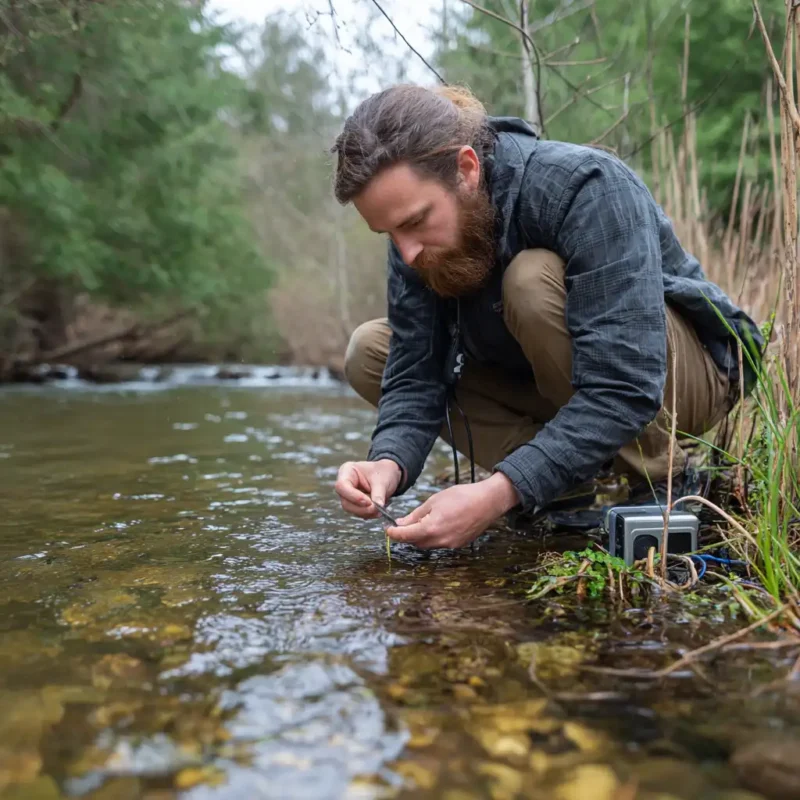
Water quality monitoring is particularly important given the critical role that rural land management plays in protecting water resources. Parameters such as nutrient concentrations, sediment loads, and biological indicators can provide information about the effectiveness of management practices in reducing pollution and protecting aquatic ecosystems.
Soil health monitoring is becoming increasingly important as understanding of the role of soils in ecosystem functioning improves. Soil organic matter content, soil structure, and biological activity are all important indicators of soil health that can be affected by management practices. Regular soil testing can help land managers optimise their practices to maintain or improve soil conditions.
Future Directions and Emerging Trends
Rural estate management continues to evolve in response to changing societal expectations, scientific understanding, and technological capabilities. Several emerging trends are likely to shape the future of the discipline, offering both opportunities and challenges for land managers.
The concept of natural capital accounting is gaining traction as a way of quantifying and valuing the ecosystem services provided by rural landscapes. This approach recognises that rural estates provide valuable services, such as carbon sequestration, water purification, flood regulation, and recreational opportunities, which have economic value even if they are not traded in conventional markets. Natural capital accounting can help land managers demonstrate the value of their conservation work and access new funding sources.
Landscape-scale conservation initiatives are becoming increasingly important as recognition grows that many conservation objectives cannot be achieved at the individual farm or estate level. These initiatives involve coordination between multiple land managers to achieve conservation objectives across larger areas, often supported by facilitation funding and technical advice. Examples include catchment-scale water quality improvement programs and landscape-scale habitat restoration projects.
Precision conservation technologies are enabling more targeted and efficient conservation interventions. GPS-guided machinery can create habitat features with centimeter-level accuracy, while variable rate seeding systems can establish different plant communities in different parts of the same field based on soil conditions or management objectives. These technologies offer the potential to achieve better conservation outcomes while reducing costs and minimizing impacts on agricultural productivity.
Regenerative agriculture represents an emerging approach that focuses on rebuilding soil health and enhancing ecosystem function while maintaining agricultural productivity. This approach emphasises practices such as cover cropping, diverse rotations, reduced tillage, and integrated livestock management, which can enhance soil carbon, improve water infiltration, and support biodiversity while maintaining or improving farm profitability.
Our Thoughts
Rural estate management represents a complex and evolving discipline that requires integration of ecological science, agricultural knowledge, and practical management skills. As society’s expectations of rural landscapes continue to evolve, and as environmental challenges such as climate change and biodiversity loss become more pressing, the importance of effective rural estate management will only continue to grow.
Success in rural estate management requires a long-term perspective, adaptive management approaches, and the ability to balance multiple objectives simultaneously. It demands both technical expertise and practical skills, as well as the ability to work effectively with a wide range of stakeholders including farmers, conservationists, regulators, and local communities.
The future of rural estate management lies in the continued development of science-based approaches that can deliver multiple benefits simultaneously, supported by appropriate policy frameworks and funding mechanisms. Technology will play an increasingly important role in enabling more precise and efficient management interventions, while landscape-scale coordination will become essential for achieving conservation objectives that transcend individual property boundaries.
For landowners and managers embarking on rural estate management projects, the key to success lies in developing clear objectives, seeking appropriate professional advice, and adopting adaptive management approaches that allow for continuous learning and improvement. With the right approach, rural estate management can deliver significant benefits for biodiversity, ecosystem services, and rural communities while maintaining the economic viability that is essential for long-term sustainability.
The work of organisations like Surrey Hills Conservation demonstrates the potential for professional rural estate management to transform landscapes, support wildlife, and create sustainable rural economies. As the discipline continues to evolve, the integration of traditional knowledge with modern science and technology offers exciting opportunities to create rural landscapes that are both productive and sustainable for future generations.